


What we can offer
The project results
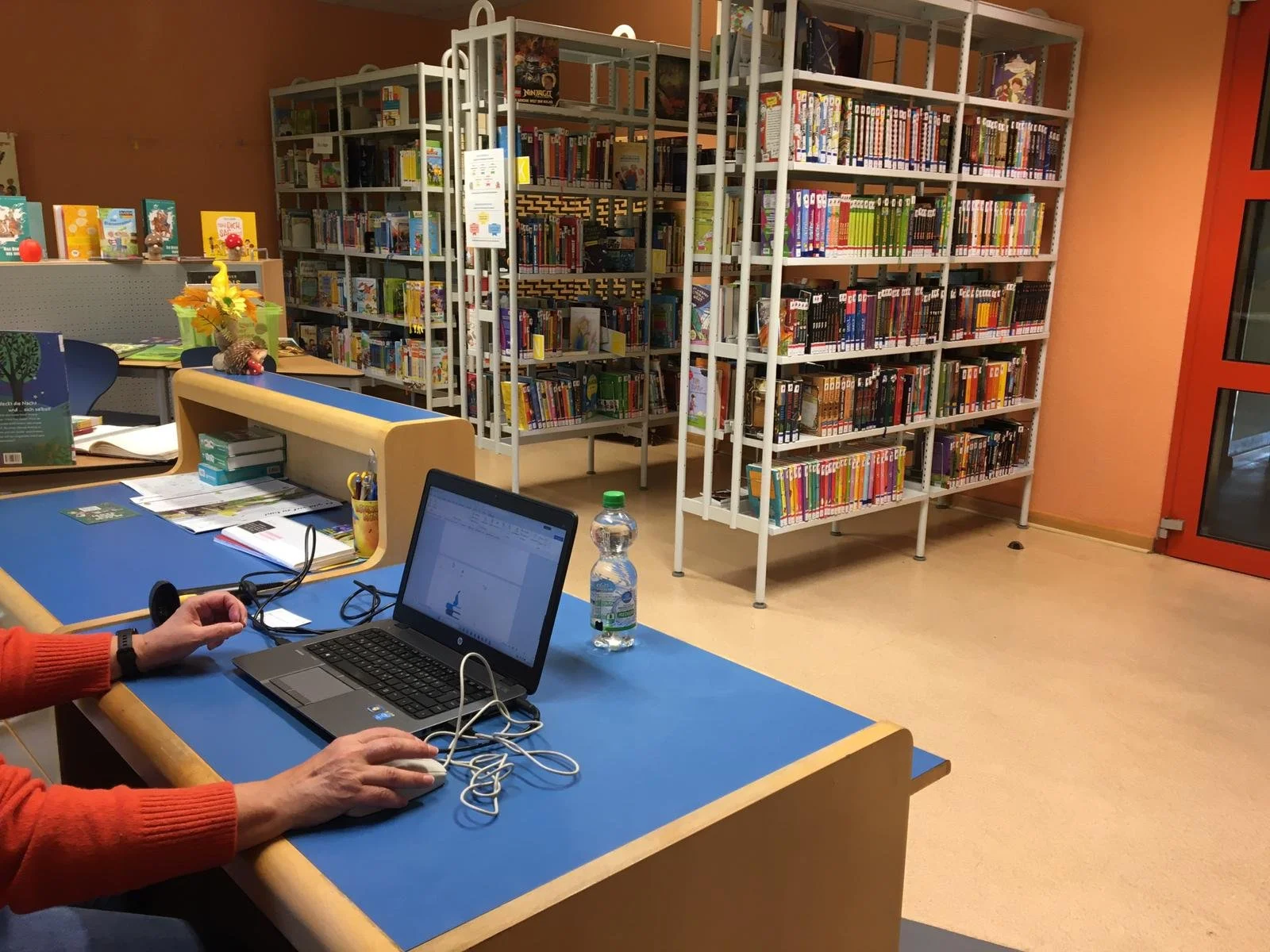
Libraries as community hubs: international guidelines for the future of inclusive learning spaces
The Byblios project’s Guidelines for a New Library redefine libraries as inclusive community hubs, offering a European framework and practical tools to foster digital literacy, creativity, and social participation.
The open-access handbook provides librarians and educators with innovative models to transform libraries into dynamic spaces for learning, inclusion, and community engagement.
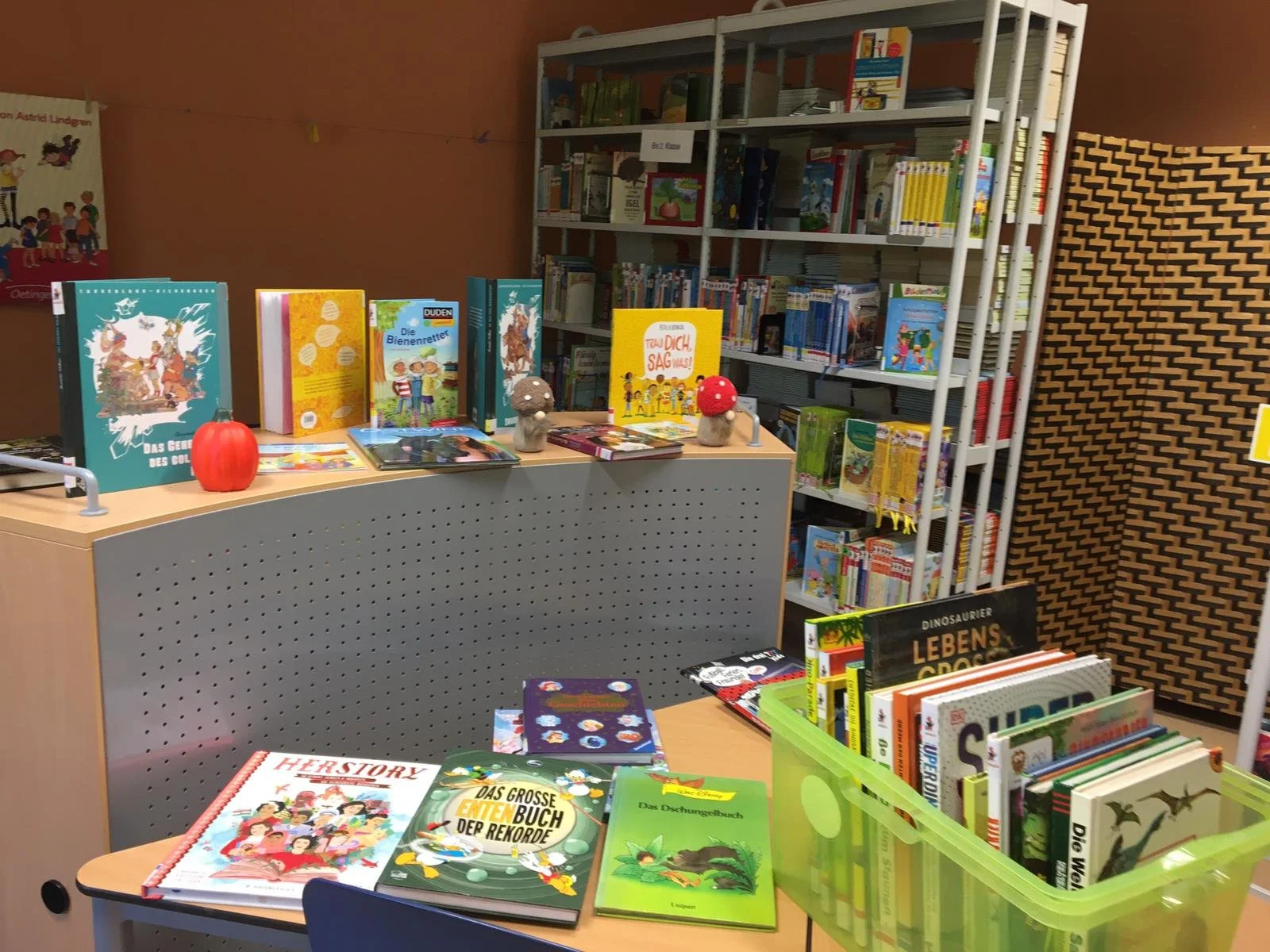
Inclusive pathways in libraries: the Byblios protocol for professional inclusion
WP4 designed, tested, and validated a Protocol for Professional Inclusion and a Career e-Portfolio across five countries, organizing 10 library-based internships for people with mild–moderate cognitive disabilities.
Pilots show that mentoring plus digital e-portfolios strengthens autonomy, communication, and employability—offering a scalable European model for inclusive, work-based learning in libraries.
Towards a new Idea of library: results of European focus groups
The Byblios project redefines libraries as inclusive community hubs that foster learning, employability, and social participation for people with cognitive disabilities. Through participatory research in five European countries and 20 focus groups, the research identified shared priorities, challenges, and good practices shaping the “inclusive library” of the future.
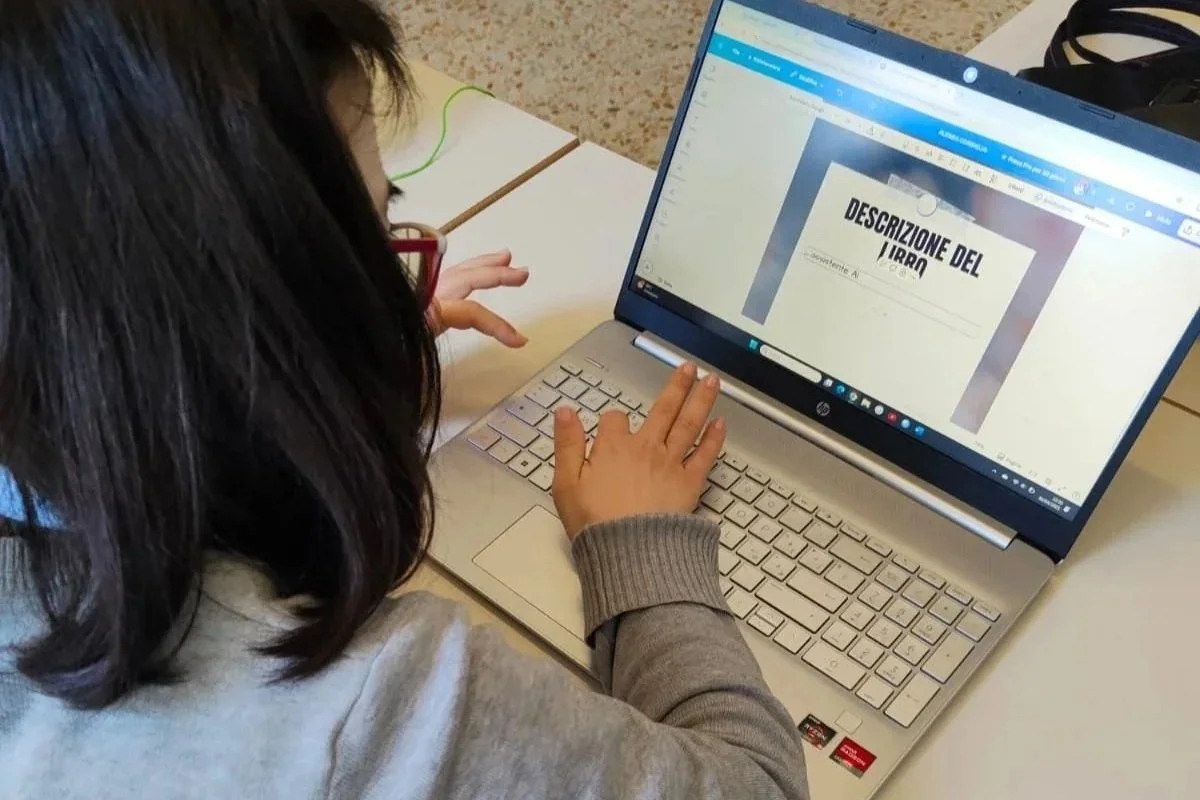
Rethinking the future of librarianship: needs analysis of the Byblios Project
Activity 3.2 of the Byblios project explored the evolving skills, roles, and training needs of librarians across Europe, redefining them as digital mentors and inclusion facilitators.
The study involved 166 librarians and stakeholders and identified four key competence areas—digital transformation, mentoring, social inclusion, and lifelong learning—that shape the future of inclusive librarianship.
